
Selling · 6 min read
Should you paint before selling your house?
· by Dustin Allan, Optimal Home Services
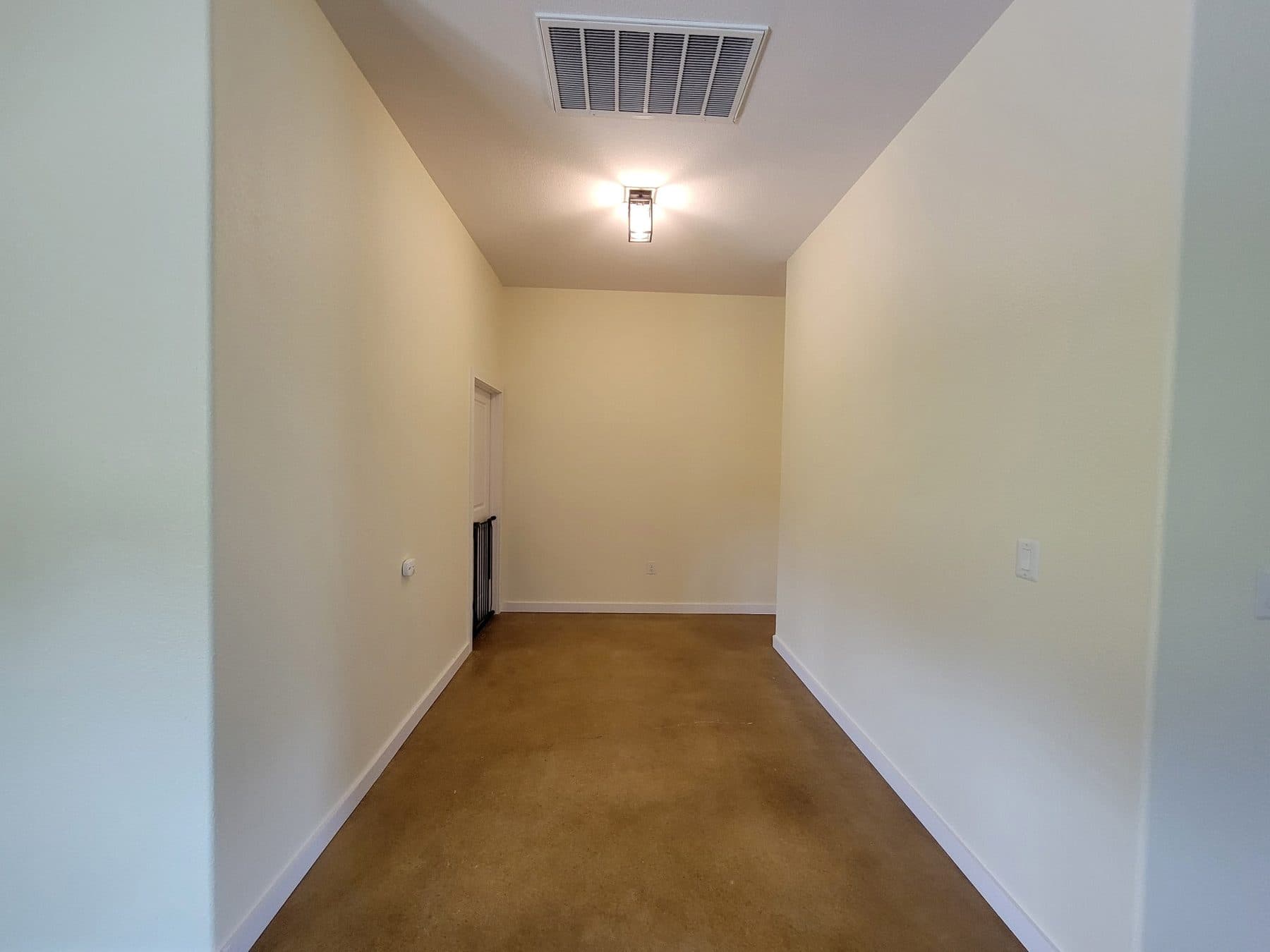
Painting before listing is the most commonly recommended pre-sale improvement, and the advice is usually given far too broadly. Some painting reliably returns more than it costs in the Austin market. Some of it is money you will never see again.
We do this work, so treat the recommendation accordingly — but we would rather tell you which rooms to skip than sell you a whole-house repaint you do not need.
What reliably returns money
The common thread is that each of these fixes something a buyer would otherwise price against you. Painting to remove an objection returns money. Painting to add delight generally does not.
- The front door and entry — the first thing a buyer touches, and the cheapest impression you will ever buy
- Any room with a bold or dated color. Buyers do not mentally repaint; they subtract the cost and then some.
- Scuffed hallways and stairwells, which read as 'this house was not cared for' more than any other surface
- Trim and baseboards — dingy white trim quietly ages the whole house in photographs
- Kitchen cabinets, if they are dated but structurally sound. This is the highest-return painting in the building.
What usually is not worth it
- A whole-house repaint when the existing paint is neutral and in decent condition
- Ceilings, unless they are stained or visibly patchy
- Interiors of closets, the garage, or utility spaces
- Repainting a room you painted two years ago because a stager prefers a different beige
- Bold accent walls — even beautifully executed, they narrow your buyer pool
Colors that actually sell in this market
The safe answer is warm white or greige, and the safe answer is correct, but the reason matters: you are not decorating, you are removing reasons to hesitate. A neutral wall lets a buyer project their own furniture into the room. A strong color makes them do arithmetic.
One local caveat worth knowing — Central Texas light is intensely warm, especially in the afternoon. Cool grays that look sophisticated on a chip frequently read blue or purple on an Austin wall at 5pm. Always sample on the actual wall and look at it at the hour buyers will be touring.
Timing it around your listing
The sequence that works: paint, then floors if flooring is being replaced, then professional photos, then list. Painting after new floors go down means masking everything you just paid for, and doing photos before painting means marketing a house that no longer exists.
Most interior repaints run three to five days. Build in a buffer before the photographer — paint needs to be dry, the house needs to be clean, and rushing that shows in the listing photos, which are the only version of your house most buyers will ever see.
When to skip it entirely
If the house needs a roof, has active foundation movement, or has a kitchen from 1985, paint is not your highest-return move and may be a distraction from it. Buyers forgive tired paint far more readily than they forgive a structural question.
And if you are selling to an investor or as-is, skip nearly all of it. You are being priced on land and bones, not finish.